

December 16, 2022
Bytro Labs tests 4-day week: Interview with founder Tobias Kringe
Hamburg-based studio Bytro Labs tests out a studio-wide 4-day work week from October to December this year. We talked to founder Tobias Kringe about this decision, how it affects way of working and what they hope to gain from it.

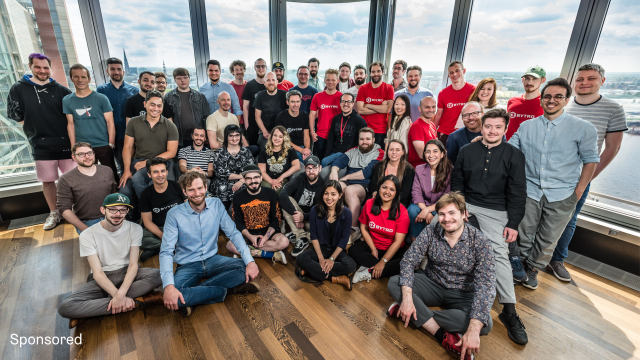
Bytro Labs was founded in 2009. They are developing online strategy games like Supremacy 1914, Call of War, Iron Order 1919, and more, with a team of over 70 people. More than 15 million people play their games in 150 countries and 13 languages.
We spoke with founder and Managing Director Tobias Kringe about their 4-day week test at Bytro Labs.
Why are you testing a 4-day week at your company; what is driving this decision?
Fundamentally, we are looking for the best, healthiest and most productive work environment for our employees. The 4-day week came up as a topic in an all-hands company workshop, where a work group of people from different teams was formed and started researching flexible work time models. Companies which tried a 4-day work week model often reported a boost in productivity and motivation. Yet, the idea that a company could have a higher output with less rigid, and potentially shorter, working hours sounds counterintuitive to many.
In the end we decided we have to give it a proper try - 3 months until the end of the year - to understand how our teams work and adapt in a results-first environment. If it works out, we may have found a huge upside for our company and our employees. If we see room for improvement, we have a good benchmark to further optimise our work environment.
Are there any challenges or surprises that already came with the introduction of your 4-day-week test?
Most challenging so far was the preparation for the test phase. As there is no "standard" 4-day work week, many parameters have to be adjusted and defined. The experience of others, for example of our sister company Dorado Games, helped to find pragmatic solutions that we adapt as we learn. The same goes for testing the success of the model - creating a benchmark for "productivity" is hard, and we decided to rather rely on the judgement of the people involved as we go.

While the perception of our trial has been overwhelmingly positive throughout the team, not everyone feels they benefit from the flexibility equally. We want to empower those who are contributing most to our success to do so in ways that work best for them. At the same time we have to avoid the feeling that they get less support from the rest of the team, for example when work has to be done on Fridays. This is a true challenge we have no solution for yet.
How long do you plan to run the test phase, and what's the outcome you'd be looking for to make the decision to keep the 4-day-week at Bytro?
The four day work-week trial runs for 3 months until the end of 2022. After that we will return to a standard work week to analyse the test. We have pre-defined clear expectations on the outcome that we have to meet to make this test and work model a success for Bytro: There is no loss of productivity or output.
This means, reduced work hours are compensated by
- Fewer distractions during the 4 workdays
- Increased quality of work
- Fewer sick days
- Higher retention, lower recruiting/onboarding overhead
And it should have a direct impact in our culture too. The test should result in higher employee satisfaction, increased motivation and overall happier people.
What makes the 4-day work week at Bytro possible? Are there any changes being made to collaboration at Bytro to allow a 4-day work week, and if so what do they look like?
Bytro is driven by a team of self-motivated experts. When one of our marketing managers goes on a weekend trip to Berlin, for example, they come back with a self made TikTok video featuring our games played below the Brandenburg Gate. They play our games, wear our merch proudly, and really care about making the best product possible for players. In return we can, and should, give everyone at Bytro the greatest possible freedom to work on the terms that maximise their effectiveness.
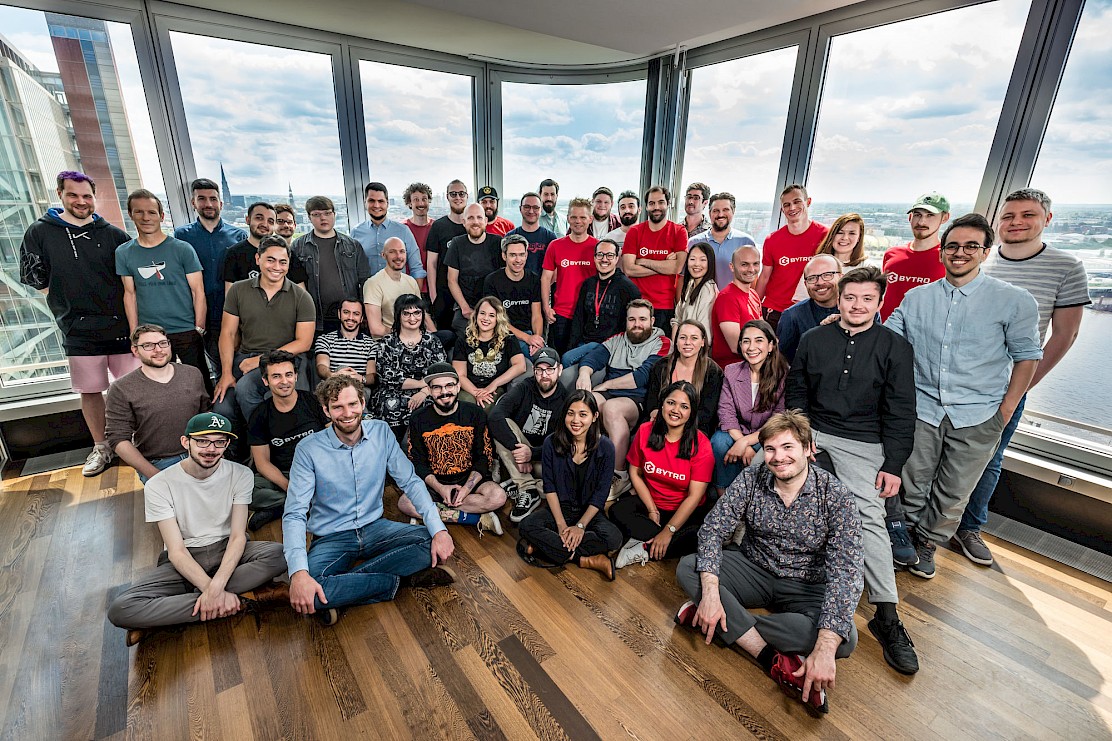
This obviously needs to be balanced with the requirements of teamwork, communicating with players and partners and predictable output. The theory we are testing is that four days shared per week are enough for our teams to coordinate, leaving everyone with more freedom and potentially shorter work hours, while taking full ownership of the output.
To make this work, we have to find the right structure and the work style in the teams. Every day is started with the mindset of getting 25% of the week's work done. Everyone has to make sure to only participate in meetings to which they can actually contribute, and to make it a habit to prioritise work that maximises contribution to current goals. In that spirit, Friday is not a free day by default, but a catch-up-day for missed productivity during the week. The way to achieve higher productivity looks different to everyone. We see that some team members do longer hours during the week, whilst others prefer to spread some tasks throughout the weekend. The option is there and everyone uses the flexibility on their own terms.
How do you see the future of modern work, especially in the games industry, in the context of your 4-day week? Is this a possible way forward for other game companies?
The games industry is notorious for its all-in work environment, with excessive crunch periods when working towards major game launches. The games-as-a-service or free-2-play model is changing this for many studios. As game revenues become reliable and planable, it becomes more important to grow and keep expertise in the teams building and operating those gaming products over decades.
As the games industry keeps growing, so does the competition for the best talent in design, development, operations and marketing of games. It's likely that the 4 day work week will be part of a working culture that established studios adopt to stand out of the competition. Giving this kind of freedom back to the employees seems to be the perfect setoff for the stressful and inspiring times when studios launch and grow new products.
Regarding other studios moving forward with a four-day work week, we can't tell for sure. For us, testing a four-day work week is a way of finding what works for our people and culture. Even if we don't keep it and follow it strictly, it is very likely that the freedom and flexibility for people to control their working hours stays.